Jugla Lake Walks: Gentle Routes for Leisurely Exploration
Discover the best lakeside paths that balance scenic beauty with accessibility. We've mapped routes that won't leave you exhausted but will leave you refreshed.
Why Jugla Lake Matters
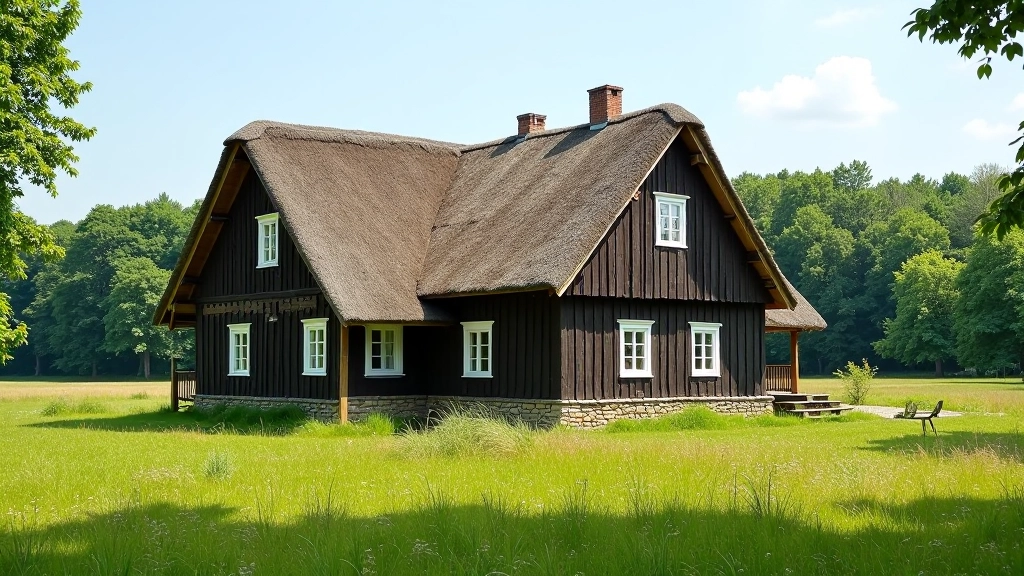
Jugla Lake isn't just a water feature on the ethnographic museum grounds — it's a complete environment that tells the story of how people lived with nature. The lake and its surroundings represent centuries of interaction between communities and their landscape. You'll see how traditional settlements positioned themselves near water sources, how different architectural styles emerged based on geography, and how crafts developed around the resources available nearby.
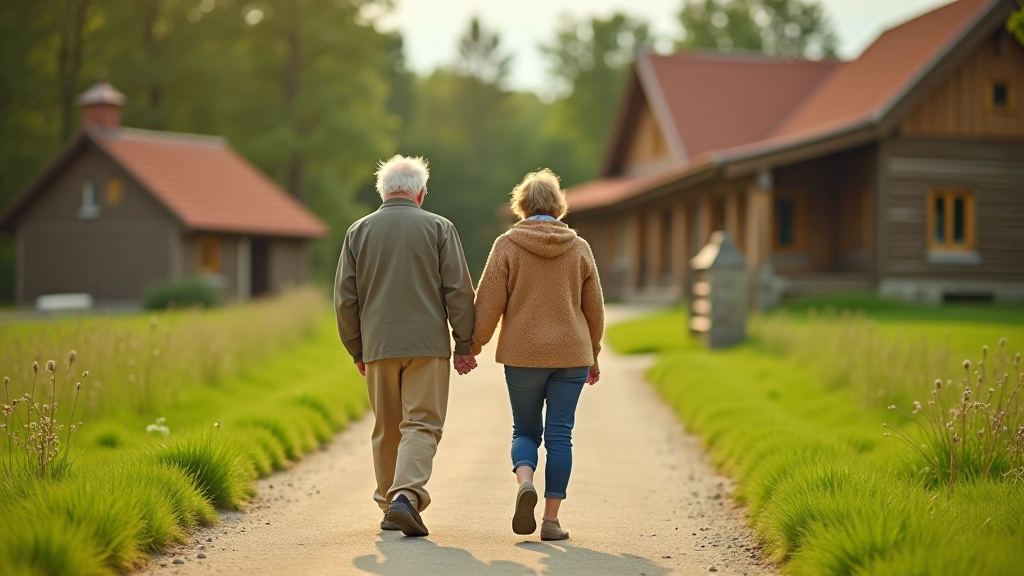
Walking these paths gives you a different perspective than visiting individual exhibits. The routes connect buildings, gardens, and natural features in ways that show how people moved through their daily lives. It's not rushed — each path is designed so you can pause, observe, and actually absorb what you're seeing.
3
Main Routes Available
2-3 km
Route Length Range
12+
Rest Spots & Benches
Understanding the Three Main Routes
The Shoreline Loop (Easiest)
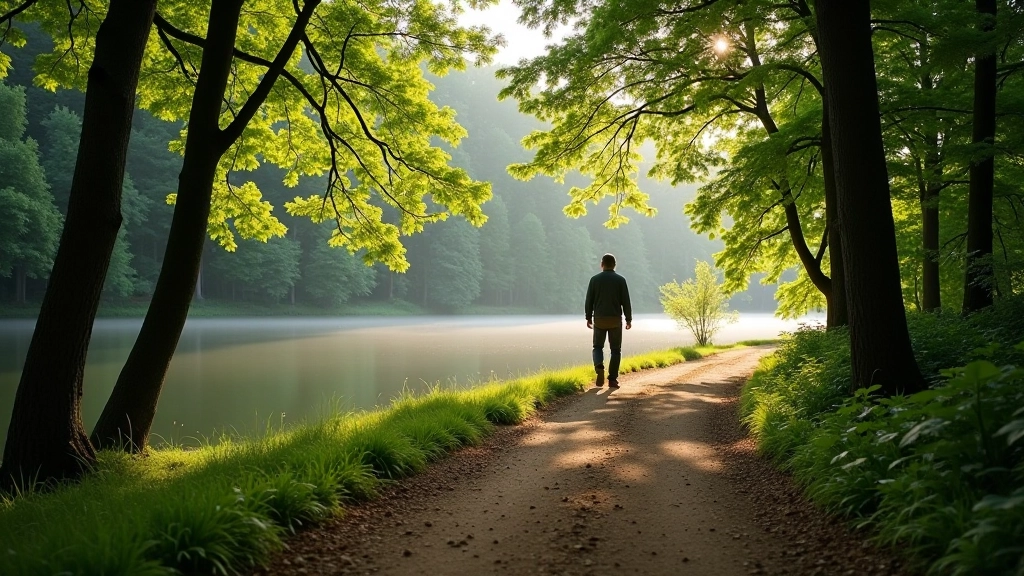
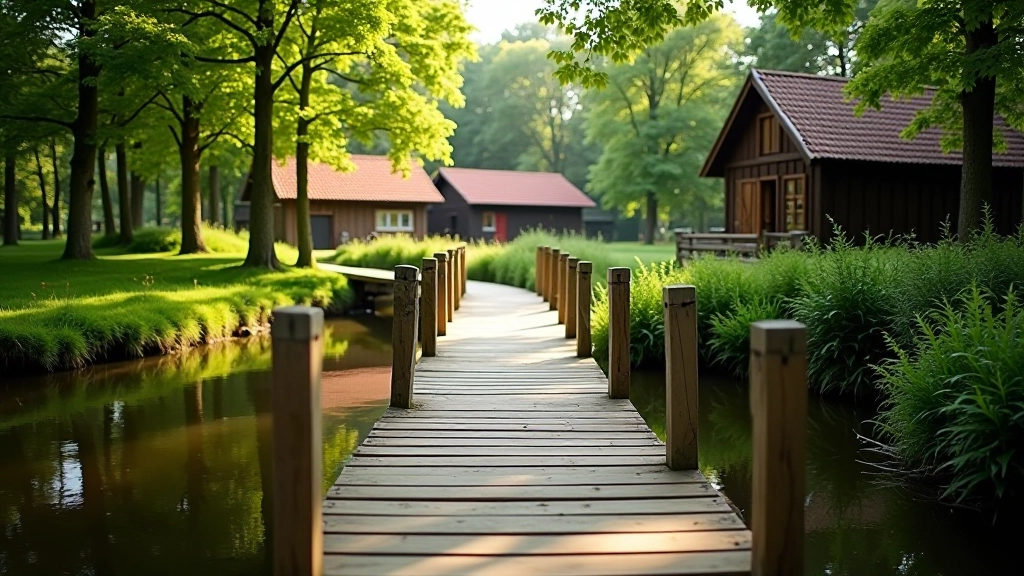
This route hugs the water's edge and takes about 45 minutes at a relaxed pace. You'll see traditional boathouses, fishing equipment displays, and several spots where you can sit right at the water. The path is mostly flat with gentle inclines. There are benches roughly every 200 meters, so you're never far from a rest stop.
What makes this walk work for most people is that it doesn't demand much planning. You set your own pace. Stop whenever something interests you. There's no pressure to reach a destination — the whole point is the walk itself.
The Heritage Circuit (Moderate)
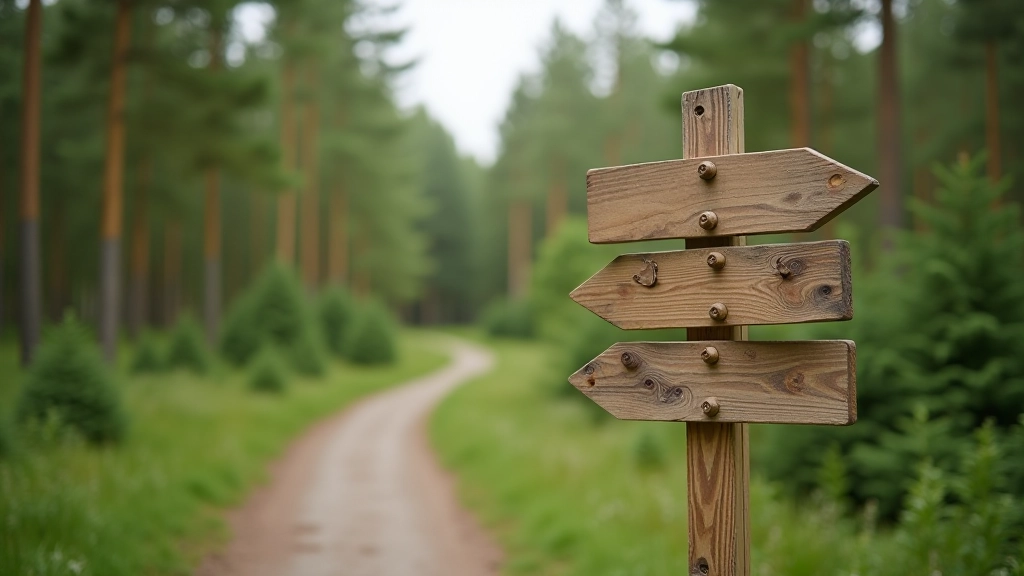
This takes about 75 minutes and includes the farmsteads and traditional workshops. You'll climb maybe 50 meters total elevation gain — noticeable but not steep. The path surfaces vary between packed earth and gravel. Shade is available for roughly 60% of the route, which matters on warm days.
What You'll Actually Need
Forget the hiking industry's marketing — you don't need special gear for these routes. Comfortable shoes matter most. You're walking on maintained paths, not climbing mountains. Wear whatever shoes you'd wear for a shopping trip, just make sure they're broken in. Slippery soles are your enemy, especially after rain.
Bring water. A small bottle is fine — most of these routes have water stations anyway. A light layer helps because the temperature near the water is cooler than elsewhere. A sun hat on bright days prevents the glare bouncing off the lake from being uncomfortable. Nothing fancy, nothing expensive.
The Timing Question
Early morning is genuinely better. You'll have the paths mostly to yourself, the light is softer, and it's cooler. Plus the museum staff are fresh and more helpful if you have questions. We're talking 9 AM to 11 AM. Midday crowds mean you're constantly stepping aside, which gets tiring.
What Happens on the Walk
The first thing you'll notice is how quiet it is. Even though you're in a museum with other people, the water and trees absorb sound. You hear conversations fade within a few meters. It's peaceful in a way that's hard to find in most places.
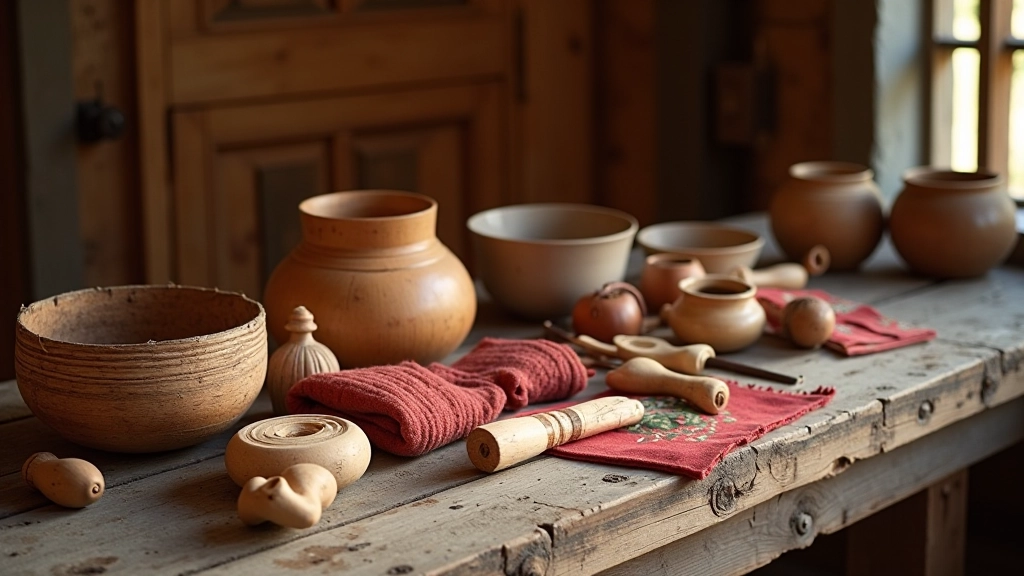
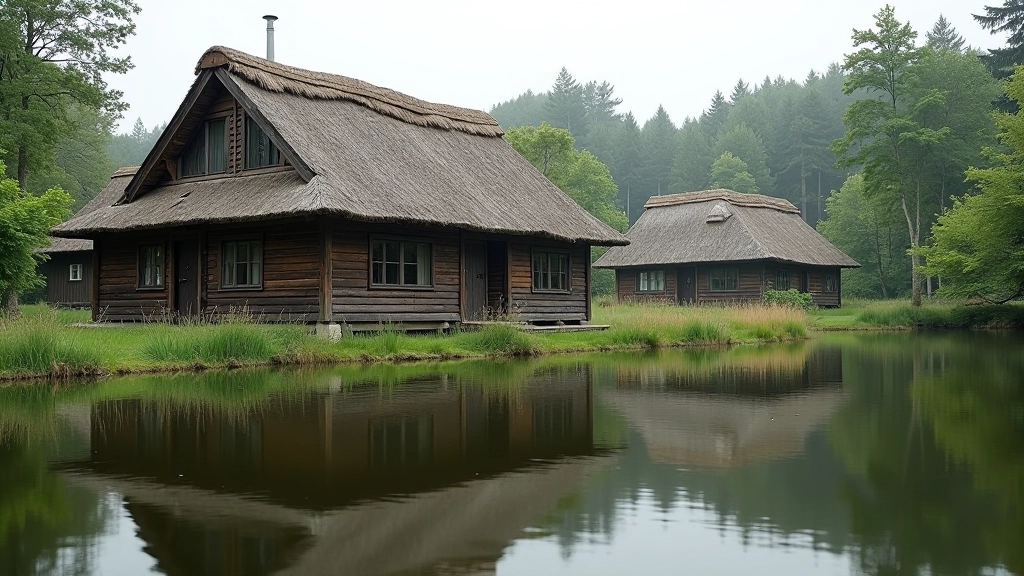
You'll see details most visitors miss. The traditional fishing nets hung to dry. The herb gardens planted exactly where they would've been in actual settlements. The way water mills were positioned to catch current flow. These aren't random placements — they're historically accurate, and walking the routes shows you the logic of how people designed their spaces.
The Photography Angle
If you're bringing a camera, the reflections on the water create genuine composition opportunities. The wooden structures photograph beautifully in natural light. Early morning and late afternoon light are exceptional here — that's when the lake surface becomes a mirror.
Most importantly, you're not walking alone. Museum staff stationed along the routes can answer questions about specific buildings or techniques. They're not pushy — they're there if you want to know something. Some visitors have fascinating conversations that turn a 45-minute walk into a 90-minute learning experience.
How to Pace Yourself
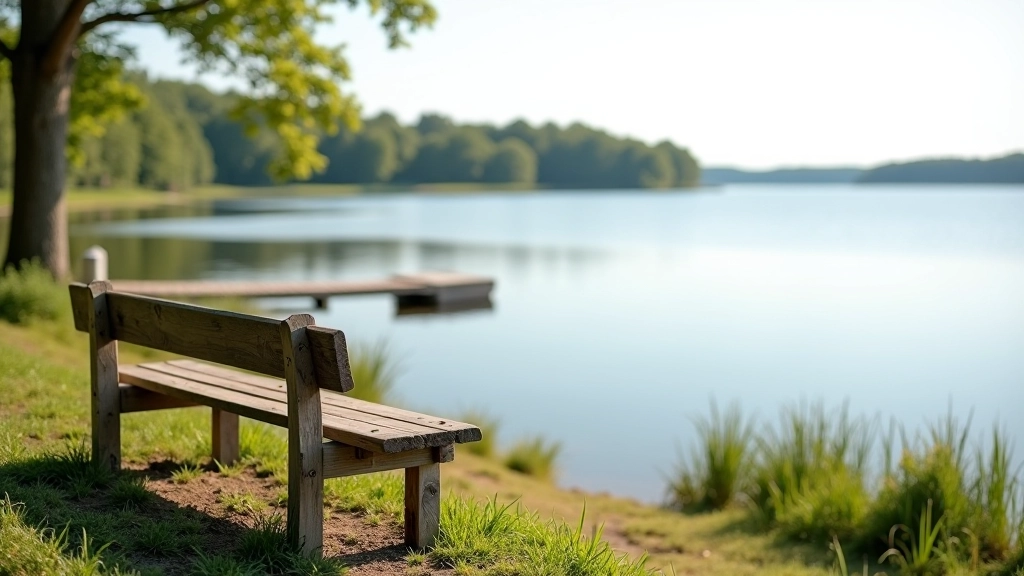
Here's the honest version: most people underestimate how much sitting you'll do. That sounds like criticism — it's not. It's actually the best part. You find a bench, you sit, and you watch the water for 10 minutes. Your legs rest. Your mind settles. Then you walk another 300 meters to the next interesting thing.
The Shoreline Loop works best if you plan to spend 90 minutes total, not 45. That means 35-40 minutes of actual walking, with several extended sitting breaks. You're not rushing. You're exploring at the pace that feels right for your body on that particular day.
Don't schedule these walks back-to-back with other activities. Give yourself the morning or the afternoon. The value of these routes comes from the unhurried pace, from noticing small details, from letting your mind wander while your legs carry you forward. That can't happen if you're watching the clock.
About This Guide
This article provides educational information about the Jugla Lake walking routes at the Latvian Ethnographic Open-Air Museum. Route conditions, accessibility features, and facilities may change seasonally or due to maintenance. Always check current conditions with the museum directly before your visit. If you have mobility concerns or health conditions that might affect your ability to walk, consult with museum staff about route suitability and available accommodations.
Why These Routes Work
The Jugla Lake walks succeed because they respect the fact that you're not a 25-year-old hiking enthusiast. They're designed for people who want genuine experience without physical punishment. You can walk them at your own pace. You can sit whenever you want. You can spend 45 minutes or 3 hours — there's no wrong answer.
More importantly, they connect you to something real. Not a tourist performance, but actual history. Actual architecture. Actual ways people solved the problem of living well in this landscape. You walk the same paths they might have walked. You see the buildings they built. You understand, in a physical way, how they organized their world.
That's worth an afternoon. That's worth the drive to the museum. That's worth planning your visit around.

Related Articles