
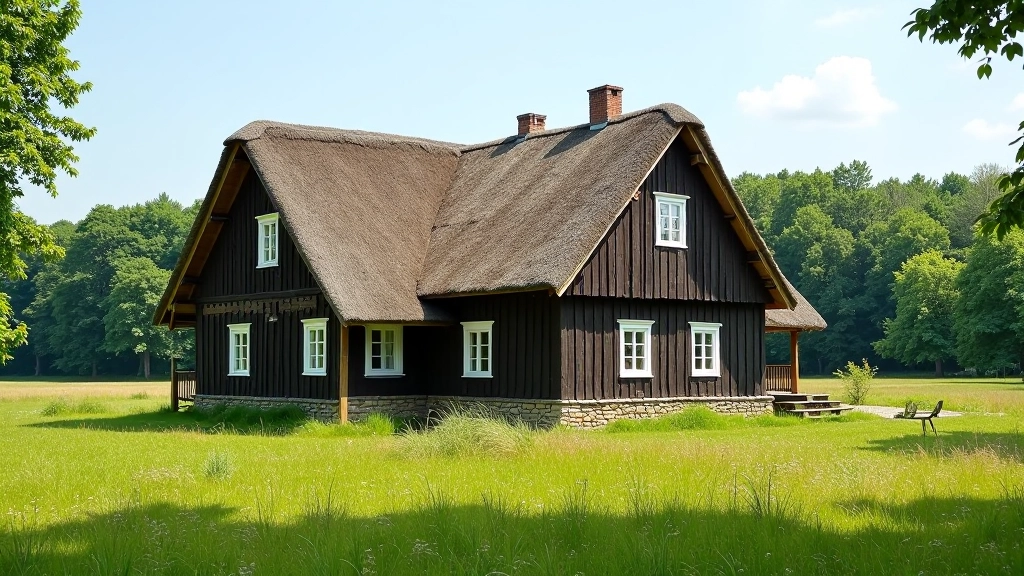
Crafts & Traditions: What the Museum Preserves
From weaving to woodworking — understand the skills that defined Latvian culture and why these traditions matter today.
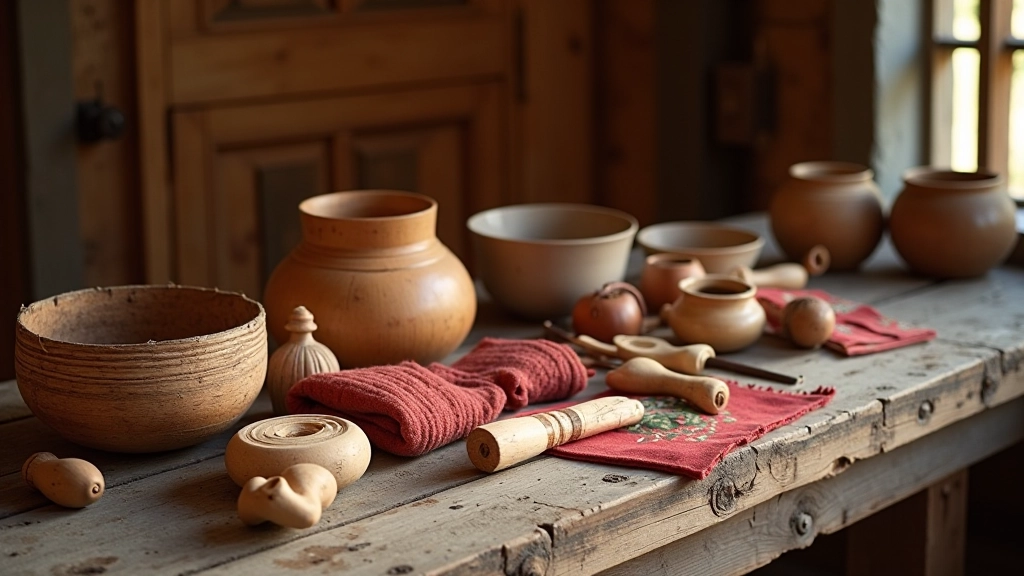
Why Crafts Matter More Than You'd Think
Walk through the museum's workshops and you're not just looking at old objects. You're standing in front of the skills that kept communities alive — literally. A hand-woven linen shirt wasn't a luxury item. It was survival. The way people built furniture, created textiles, worked with wood and clay — these weren't hobbies. They were how families made their lives.
Today, the museum preserves these techniques because they tell us something crucial: what people actually valued, how they solved problems, and what their hands could do. It's not just heritage — it's a conversation across centuries about ingenuity and purpose.
What You'll Discover
- 8 major craft traditions preserved in the museum's collection
- How traditional techniques differ from region to region
- Why certain crafts nearly disappeared — and how they're coming back
- Where to see craftspeople working during museum visits
Weaving: The Craft That Built Communities
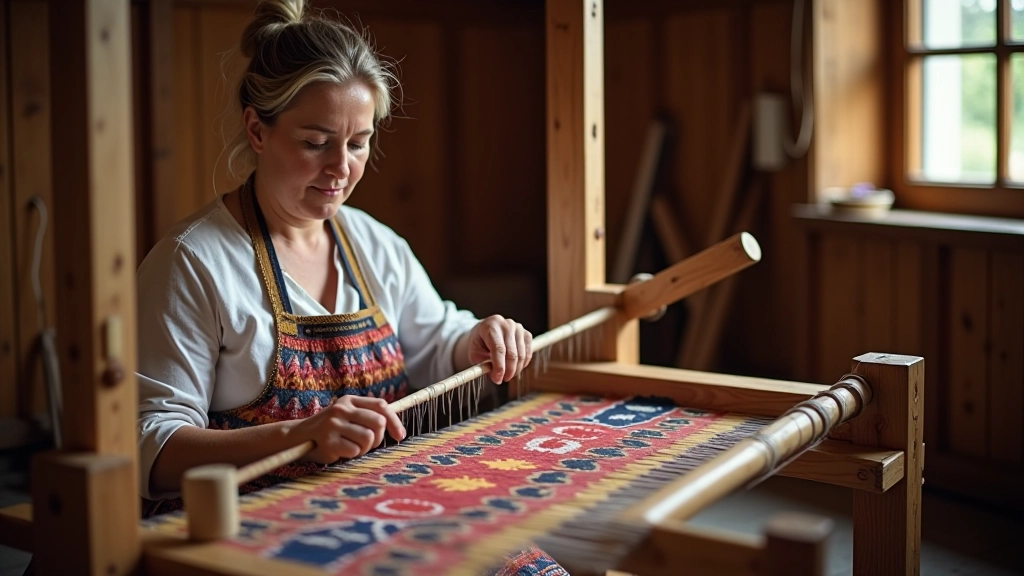
Weaving wasn't just about making cloth. It was how knowledge passed between generations. A master weaver could create patterns that took three to four months to complete on a single loom. Each design told a story — about the family, the region, sometimes even historical events.
The museum has preserved over 200 traditional looms, but more importantly, they've documented the patterns themselves. Stripes, diamonds, and complex geometric designs weren't random. They were coded messages. A young person learning to weave wasn't just learning a skill — they were learning family history through their hands.
What's remarkable is that you can still see this happening. During museum visits, traditional weavers demonstrate these techniques using the same looms from 150 years ago. It's not a performance. It's actual work, and you'll notice the concentration required. The precision is extraordinary.
Museum Visit Context
This article provides educational information about Latvian cultural heritage and museum collections. Specific craft demonstrations, workshop schedules, and guided tour availability vary by season. Contact the museum directly for current demonstrations and visiting hours. Heritage conservation practices continue to evolve — techniques described represent historical methods as preserved and documented by the museum.
Woodworking: Building Things That Last Generations
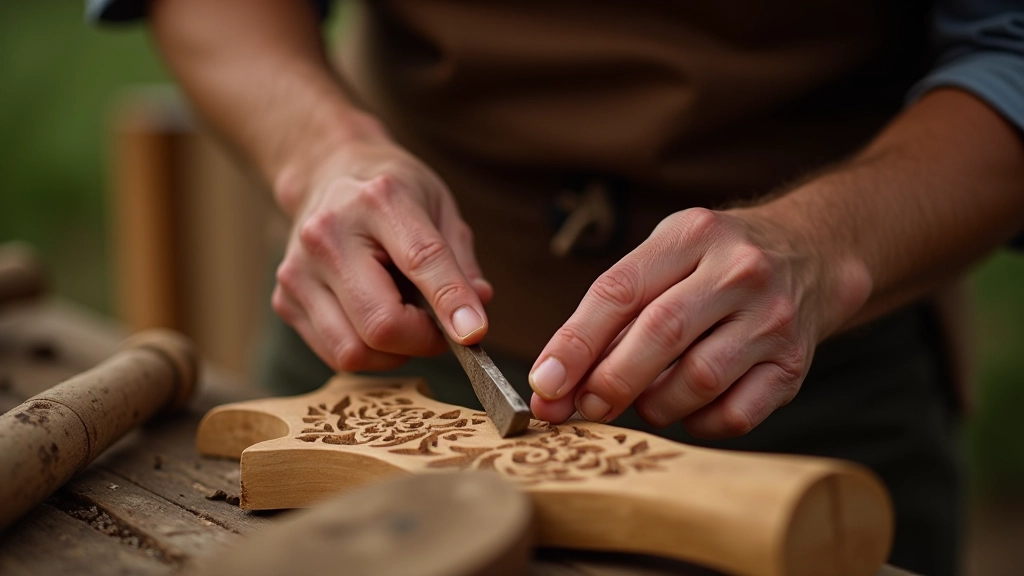
Latvian woodworkers didn't design furniture to be replaced. A chair built in 1850 was meant to be sat in for fifty years. Maybe longer. This meant understanding wood grain, knowing which trees worked best for different pieces, and having patience for the work.
The museum's woodworking collection shows an incredible range — from simple functional pieces to ornate decorative work. But here's what gets interesting: you can see the evolution. Early pieces are simpler, more geometric. Later work becomes more detailed as tools improved and techniques spread.
Master carvers in the museum workshops still use hand tools nearly identical to ones from 200 years ago. No power tools, no shortcuts. It takes genuine skill and years of practice to understand how wood behaves, how to read the grain, when to push harder and when to let the tool do the work.
Ceramics and Pottery: Earth Into Art
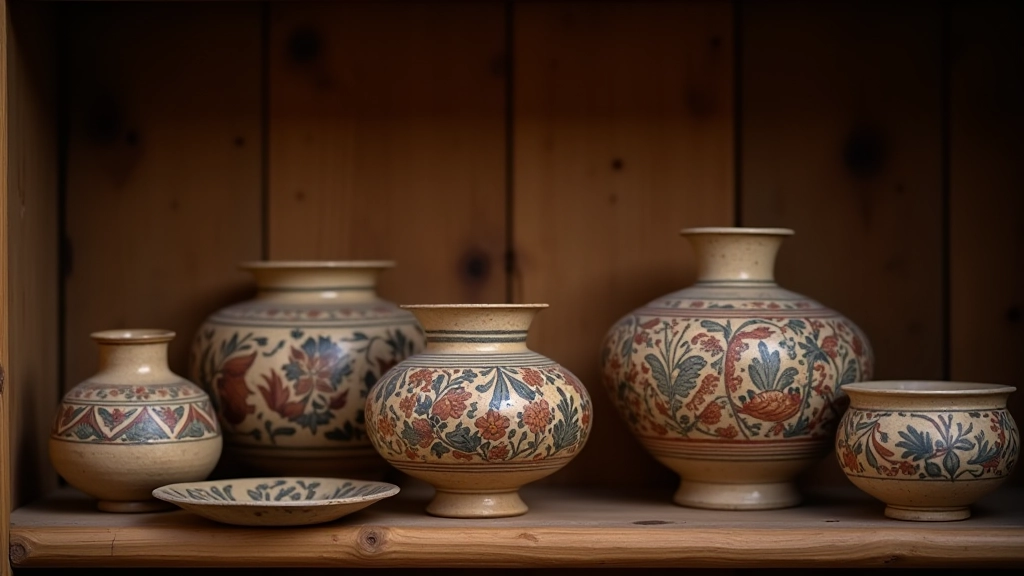
Pottery in Latvia developed differently than in neighboring regions. The clay available shaped what people made. Thicker vessels, more durable forms, decorated with patterns that reflected the landscape and local traditions. Every piece you see in the museum's pottery collection was made without a kiln — everything was fired in open flames.
The decorative techniques are fascinating. Potters used stamps, carved designs, and even their own fingers to create texture. Some pieces have finger impressions that're so clear you could almost identify the person who made them centuries ago.
What's impressive about the pottery tradition is its survival. Unlike some crafts that nearly disappeared, pottery workshops continued operating in rural areas well into the 20th century. This means the techniques weren't lost — they were passed down, adapted, and are still being practiced today. You'll see contemporary potters at the museum using methods that are hundreds of years old.
Why These Traditions Are Making a Comeback
There's something happening in Latvia right now. Young people are learning traditional crafts. Not as museum pieces to admire from a distance, but as actual skills. Weaving workshops fill up. Woodworking classes have waiting lists. Pottery studios are thriving.
It's not nostalgia. People are discovering that making something with their hands — really making it, understanding the material, working slowly — changes how they think. It's meditative. It's real in a way that's increasingly rare.
The museum's role has shifted. It's not just preserving — it's teaching. The workshops aren't displays. They're schools. When you visit, you're not watching history. You're watching living tradition. The craftspeople working there aren't performers. They're practitioners, and they're passing the knowledge forward.
8
Major Craft Traditions
500+
Preserved Artifacts
12
Active Workshop Areas
50+
Master Craftspeople
How to Actually Experience These Crafts During Your Visit
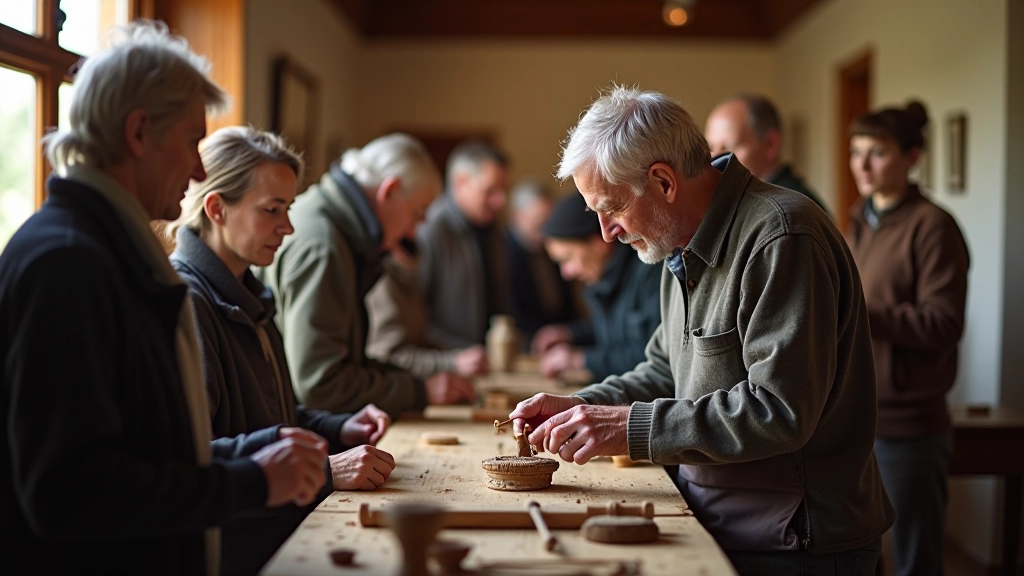
You can walk through the museum and see beautiful objects in glass cases. But here's what we'd recommend instead: plan your visit around the workshop demonstrations. The weaving demonstrations happen most days, typically in the morning. The woodworking area is active from Tuesday through Sunday. Pottery workshops vary seasonally.
Don't just watch from a distance. Most craftspeople will talk with you about their work. They'll explain why they made certain choices, how long techniques take, what materials they prefer. You'll learn that traditional linen weaving takes about 20-25 hours of actual loom time per meter of fabric. That a single carved wooden chair requires 60-80 hours of handwork. These aren't exaggerations. That's just how long quality takes.
If you're visiting with mobility considerations (which many visitors are), don't worry. The craft workshops are situated along accessible routes. You won't need to navigate stairs or uneven terrain to see the active demonstrations. Plan for slower movement though — you'll want time to really observe, not just pass by.
The Real Value of Preserving Crafts
Museums preserve more than objects. They preserve knowledge. When you see a master weaver at work, you're watching a conversation between the present and the past. Every movement, every decision they make comes from centuries of refined understanding about how to work with materials, how to solve problems, how to create something that's both functional and beautiful.
That knowledge matters. It's not quaint or nostalgic. It's intelligent. It's proof that people understood quality, durability, and the value of doing things right. In a world that moves increasingly fast, these traditions remind us that some things deserve time, attention, and real skill.
When you visit the museum, you're not just seeing history. You're seeing possibility. You're watching people prove that traditional crafts aren't relics. They're living practices. And they're relevant right now, to people right now, doing real work in real time.
Ready to Explore These Traditions in Person?
Visit the museum's workshop areas to see traditional craftspeople at work. Check workshop schedules and plan your route using our visitor guide.
View Visit Planning Guide
Explore Related Topics