Traditional Farmsteads: Architecture That Tells Stories
Discover why farmhouse designs varied across regions and what the building styles reveal about daily life, climate, and cultural identity in historical Latvia.
Why Farmsteads Matter
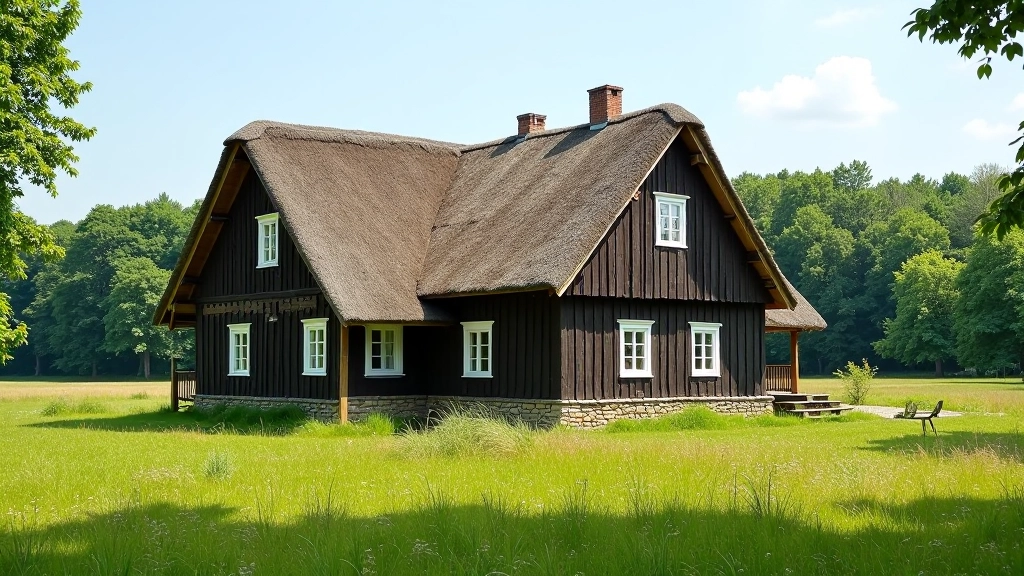
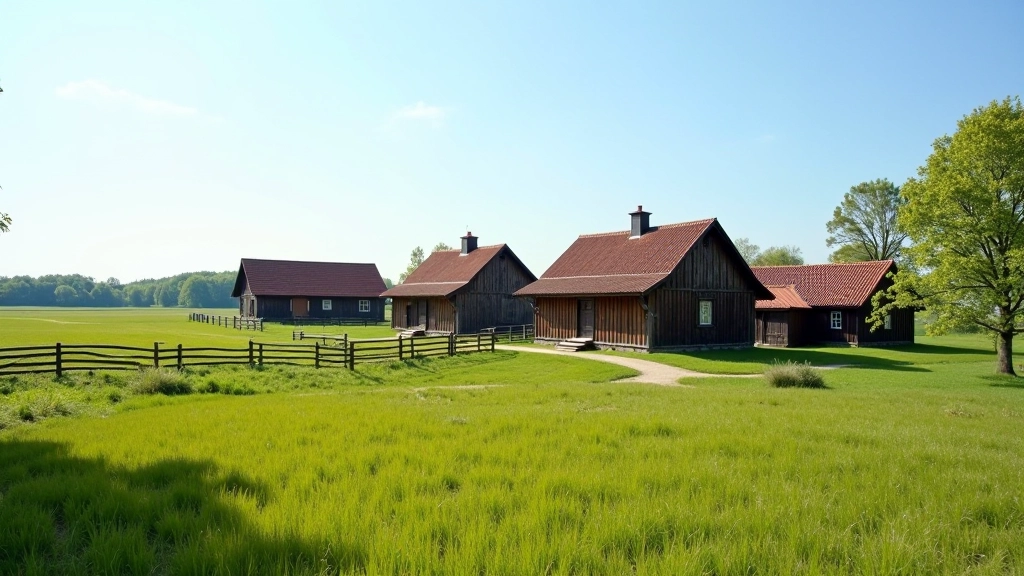
Walk through the museum grounds and you'll notice something immediately — not all the farmhouses look the same. Some have steep roofs. Others feature wide eaves. You'll see different timber arrangements, window placements, and foundation styles scattered across the landscape.
These aren't random variations. Each design choice tells you something genuine about the people who built them, where they lived, and what they valued. We're not talking about decoration here — we're talking about survival, practicality, and generations of knowledge passed down through building techniques.
Regional Identity
Building styles reflect the specific climate and available materials of each region.
Functional Design
Every architectural feature served a practical purpose in daily life.
Cultural Expression
Farmsteads showcase the values and traditions of their builders.
Climate-Driven Architecture
Latvia's weather is no joke. Winters get cold — we're talking well below freezing for months on end. The snow piles up. Wind cuts across the flat landscape without much resistance. So farmers didn't build for aesthetics. They built for survival.
That steep roof you see on many farmhouses? It's not there to look dramatic. It's there because snow needs somewhere to go. If your roof was flat, you'd be dealing with heavy accumulation that could collapse the structure. The steep pitch (often 45-50 degrees) lets snow slide off naturally.
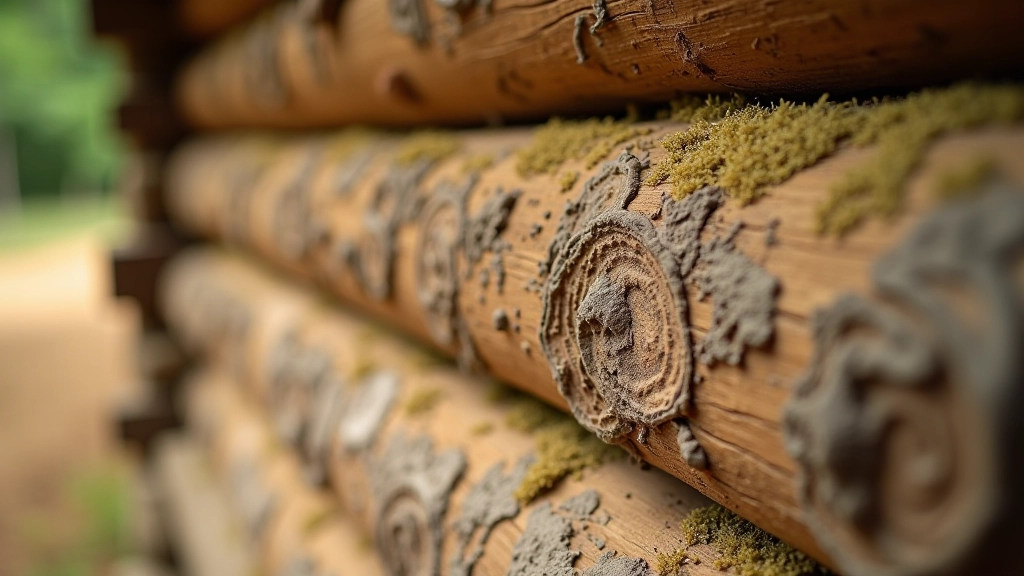
The thick log walls aren't just sturdy — they're insulation. Oak, pine, and spruce logs were chosen because they're abundant and they hold warmth. We're talking walls that are 12-16 inches thick, with chinking (clay and moss filling) between the logs to seal out drafts. Modern insulation? They figured it out centuries ago, just with different materials.
Pro tip:
Run your hand along the inside of a preserved farmhouse wall if
you get the chance. You'll feel the clay-moss mixture that kept
families warm through 6-month winters.
Interior Layout: Everything in One Space
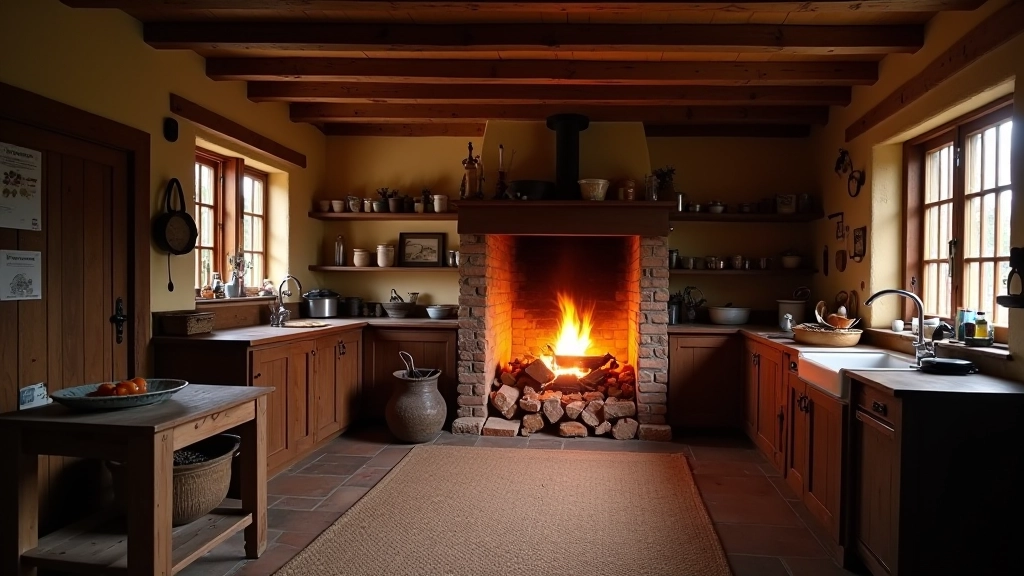
Step inside a traditional farmstead and you're immediately struck by the layout. It's different from what we're used to today. Many farmhouses had just two or three main rooms — a large combined living and working space, sleeping quarters, and sometimes a separate storage area.
The main room served multiple purposes. This is where the family cooked, ate, worked on crafts, and gathered in the evenings. The hearth or stove sat in the center, and it wasn't just for cooking — it was the heat source for the entire building. You didn't have separate rooms to heat. You stayed where the warmth was.
This layout wasn't lazy design. It was efficient. Why build separate heated spaces when you could concentrate everyone in one area during winter? Wood for heating was precious. Time was precious. The farmstead layout reflects that reality perfectly.
Materials: Using What You Have
Latvian farmsteads weren't built with imported materials shipped from distant places. Farmers used what grew locally or what they could produce themselves. Walk through the museum and you'll see the variety — but it's not random variety. It's practical variation based on geography.
Timber
The foundation of everything. Pine, oak, and spruce were the primary woods. Farmers understood which trees worked best for different parts of the structure — heartier oak for the main posts, flexible pine for beams.
Thatch & Shingles
Roofing depended on local resources. Rye straw made excellent thatch — it's durable, insulates well, and sheds water effectively. Where wood shingles were available, those worked too.
Chinking Materials
Between the logs, you'd find clay mixed with moss, straw, or animal hair. These materials expand and contract with temperature changes — they're flexible enough to move with the wood.
Regional Variations Across Latvia
Travel through different parts of Latvia and you'll notice distinct farmstead styles. The Latgale region (eastern Latvia) has its own character. The Kurzeme region (western Latvia) shows different priorities. These aren't just aesthetic differences — they reflect the specific conditions of each area.
In the Vidzeme region (central), you'll often see farmhouses with very steep roofs and deep eaves. Why? The terrain tends to be more forested and experiences heavier snowfall. In the Zemgale region (south), where the land is flatter and more open, you see slightly different proportions.
The museum brings these regional styles together in one place, so you can see the differences side by side. It's like a visual lesson in how geography shapes culture. The buildings aren't just standing there looking historic — they're actually teaching you about the land and the people who understood it deeply.
About This Article
This article is educational in nature and aims to help you understand traditional Latvian farmstead architecture and its cultural significance. The information presented is based on historical records and architectural analysis. For detailed academic research or specific historical documentation, we recommend consulting with the Latvian Ethnographic Museum directly or reviewing their extensive archives. Dates, specific measurements, and regional classifications may vary based on different scholarly sources.

Related Articles